Teaching Kids Responsibility at Home
How to Teach the Mental Load
(Before They Inherit It)
Let’s get real for a second.
If you’re anything like me, there are days when the weight of managing your family’s life feels like a second full-time job. Not the job where you clock in and someone thanks you. No, the invisible one where you remember the birthday parties, sign the field trip forms, refill the diaper cream, notice that the bananas are almost gone, and somehow know that your partner's favorite socks are still buried in the clean laundry pile.
That? That’s the mental load. And it’s heavy. But it doesn’t have to be ours to carry alone—or worse, pass down to our kids in the same unspoken way it was passed down to us.
Let’s talk about how we can start teaching young children about the mental load before they grow into the next generation of burnt-out moms and checked-out dads.
What Is the Mental Load?
(And Why It Matters for Kids Too)
The mental load is the behind-the-scenes work of:
Remembering
Planning
Anticipating
Coordinating
Managing
It’s invisible labor.
And in most families, moms carry the majority of it—even when both parents work.
If you’re new to the concept of the mental load, start here:
Mental Load in Motherhood and Marriage: What It Is + How to Share It Better
Most of us didn’t grow up with language for this.
We just stepped into adulthood and suddenly found ourselves:
Overwhelmed
Responsible for everything
Unsure how it got that way
So if we want something different for our kids…
We have to start earlier.
A 2022 Bright Horizons study found that 86% of working moms say they handle the majority of the household and child-rearing responsibilities, compared to only 17% of dads.
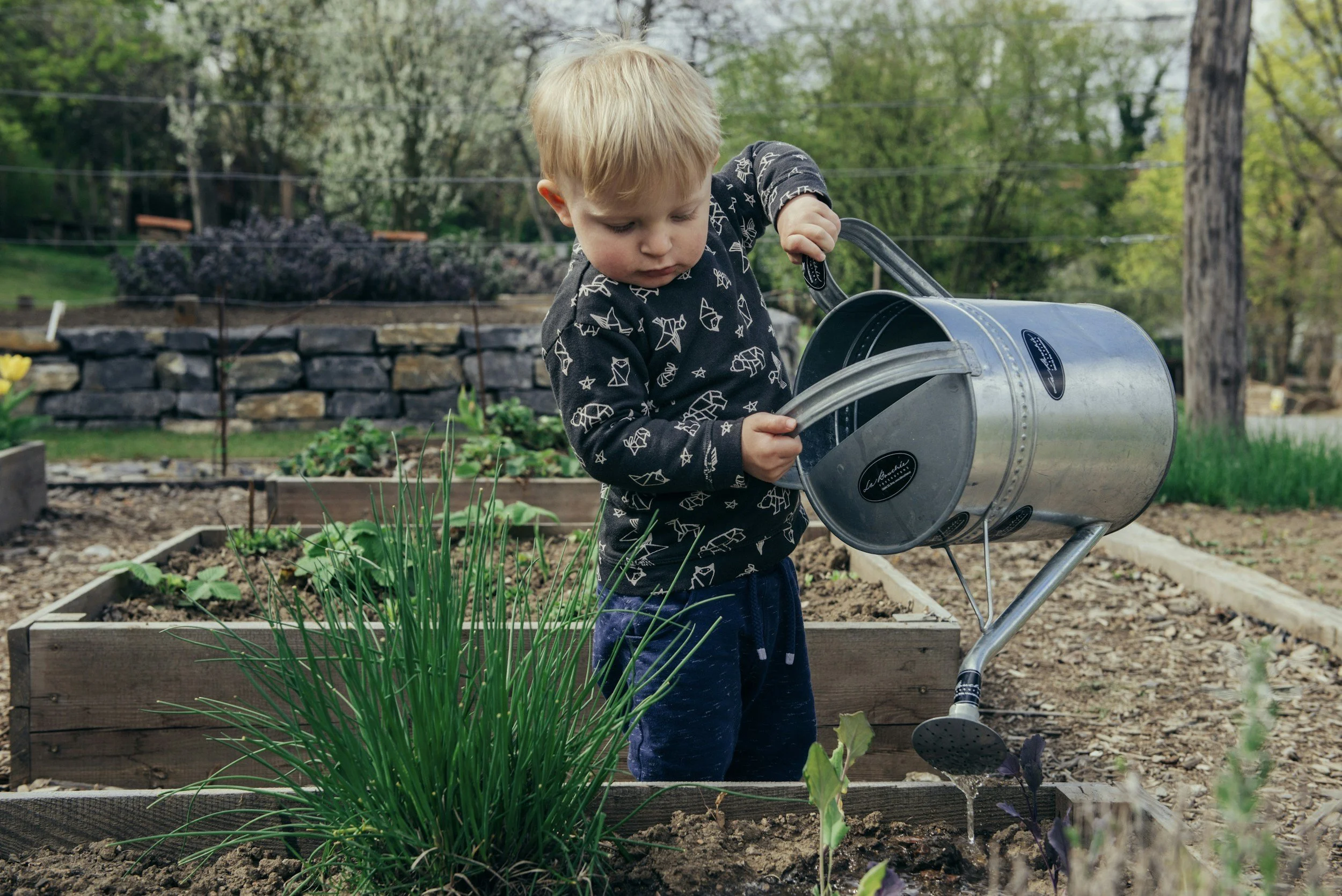
Why Teaching Kids Responsibility Early Actually Matters
Kids are always watching.
They may not know terms like “emotional labor” or “mental load,” but they absolutely notice:
Who remembers everything
Who plans everything
Who keeps the house running
And when it’s never named?
They assume that’s just how life works.
So they either:
Grow up carrying it
Or grow up expecting someone else to
Neither leads to healthy relationships.
Teaching kids responsibility at home isn’t about giving them more to do.
It’s about giving them awareness.
How to Teach Kids About the Mental Load (In Real Life)
You don’t need a lecture.
You don’t need a system chart.
You just need to start bringing them into what’s already happening.
1. Name What You’re Doing Out Loud
“I’m making a grocery list and thinking about what we already have and what we’ll need this week.”
This helps them connect:
👉 thinking = part of the work
2. Let Them See the Invisible Work
“Before we go on this trip, I need to pack, check the weather, and figure out meals.”
You’re not complaining.
You’re letting them see the full picture.
3. Invite Problem Solving
“We’re getting ready for your friend’s birthday. What do we need to do?”
This builds ownership instead of dependency.
4. Use Real Words
Say:
mental load
invisible work
planning
remembering
Even with young kids.
When they have language, they grow into adults who can talk about it.
What This Actually Teaches Your Kids
This isn’t just about chores or fairness. It’s bigger than that.
When we raise kids with awareness of the mental load, we’re teaching:
Empathy – They begin to recognize the emotional labor others are doing, even if it’s not loud or visible.
Accountability – They don’t assume someone else will always do the remembering.
Partnership – They grow up understanding that being part of a household means shared responsibilities.
Confidence – When they learn to contribute early, they believe in their ability to figure things out later.
You’re not just raising helpful kids. You’re raising emotionally intelligent, self-aware humans who don’t default to old gender roles or emotional avoidance.
Age-Appropriate Ways to Teach Responsibility at Home
Now, I’m not saying your 3-year-old needs to handle meal planning.
This is not about turning your kids into tiny adults. It’s about slowly building awareness.
Here’s a breakdown of what this can look like by age:
Toddler (2–3):
Let them “help” you pack a bag or pick items off the shelf.
Narrate your thought process: “I’m bringing extra clothes in case we get messy.”
Preschool (4–5):
Talk about planning: “We’re going to the zoo tomorrow. What might we need?”
Give them micro responsibilities: Putting their shoes in the bin, helping set the table.
Early Elementary (6–8):
Let them be part of scheduling or preparing: “We have soccer and dinner tomorrow. How can we make that work?”
Ask for their thoughts: “What do you think we’ll need for the camping trip?”
Later Elementary (9–11):
Invite them into shared planning: “Can help me make the grocery list this week?”
Let them lead part of a task: Packing their own bag, prepping their lunch.
The key is not perfection—it’s participation. Let them try. Let them forget. Let them learn.
And yes, talk about gender
We have to.
Because if we’re not actively disrupting the old patterns, we’re silently passing them on.
Let your daughter know she doesn’t have to become the default manager of a household.
Let your son know that being a great partner means:
👉 noticing
👉 planning
👉 owning responsibility
Use real-life examples. Point out when TV shows or books show one parent doing it all. Say it out loud. Make it normal to name it.
I’ll never forget the time my son asked me, ‘How do you always know when everything is?’ And I realized he truly thought this was just magic. It was a moment I knew I had to start letting him see behind the curtain.
A few things to stop doing (with love):
Stop absorbing it all silently – Kids don’t learn what they never see.
Stop aiming for a smooth, stress-free appearance – Real-life parenting includes showing the hard stuff.
Stop assuming they’re too young to understand – They’re capable. More than we think.
And a few things to start doing:
Start naming your tasks out loud.
Start inviting collaboration, even in small ways.
Start using the words “mental load” and “invisible labor.”
Start showing what it looks like to pause, reset, and ask for help.

Raising Kids Who Don’t Default to the Mental Load
This isn’t about making your kids grow up faster.
It’s about giving them something we didn’t have:
Language
Awareness
A healthier model
Because one day they’ll be:
Someone’s partner
Someone’s co-parent
Someone’s teammate
And whether they show up with awareness or confusion…
That starts now.
If This Is Already Showing Up in Your Relationship
If you’re reading this and thinking:
“Okay… but this is already our dynamic right now.”
You’re not alone.
And you don’t have to just “wait it out.”
This is exactly the work we do with couples:
Making the invisible visible
Reducing resentment
Building real teamwork
If that’s something you’re feeling the weight of right now, let’s talk.
Because you weren’t meant to carry it all alone.
