7 Ways Men Can Be Better Partners at Home
(Without Being Told What to Do)
If you’ve ever thought:
“Why do I have to explain everything?”
“Why am I the one who notices it all?”
“Why does it feel like I’m managing another adult?”
You’re not alone.
This is one of the most common dynamics we see in relationships—especially after kids.
And no, it’s not just about dishes or laundry.
It’s about the mental load.
If you’re new to that concept, start here:
Mental Load in Motherhood and Marriage: What It Is + How to Share It Better
Because what looks like “small things” on the surface is often a much bigger pattern underneath.
And here’s the truth:
Most men aren’t trying to avoid responsibility.
But many were never taught how to fully step into it.
So let’s talk about what actually helps.
In an episode of the Better Relationships After Baby podcast, I sat down with Fred Van Riper—a Fair Play facilitator, men’s coach, and fellow advocate for change—to unpack how deeply the patriarchy influences our relationships, and what we can do about it.
Why This Conversation Matters
When we talk about men stepping up at home, it can quickly turn into blame.
Women feel exhausted.
Men feel defensive.
And nothing changes.
But this isn’t about blaming men.
It’s about raising the standard of partnership.
Because the current model:
👉 one person managing everything
👉 one person “helping when asked”
Doesn’t work.
Not for connection.
Not for attraction.
Not for long-term teamwork.
“This will be uncomfortable,” Fred said. “But we (men) need to practice being in discomfort if we’re ever going to change things.”
What Gets in the Way for Men
In a recent conversation on the podcast, one thing stood out:
A lot of men were taught to:
provide financially
stay strong
avoid emotional discomfort
But not:
notice what needs to be done
manage a household
engage emotionally under stress
So when tension comes up at home, it often shows up as:
defensiveness
shutdown
avoidance
Not because they don’t care.
But because they don’t know how to navigate it yet.
And that’s where growth comes in.
Fred speaks openly about the conditioning men face to be stoic, to be tough, to provide financially above all else. And yet, underneath that is a very human experience: shame, insecurity, fear of failure.
He explains:
“Defensiveness is often just unprocessed shame. And when men don’t feel safe to explore it, they shut down. That doesn’t make it okay, but it explains a lot.”
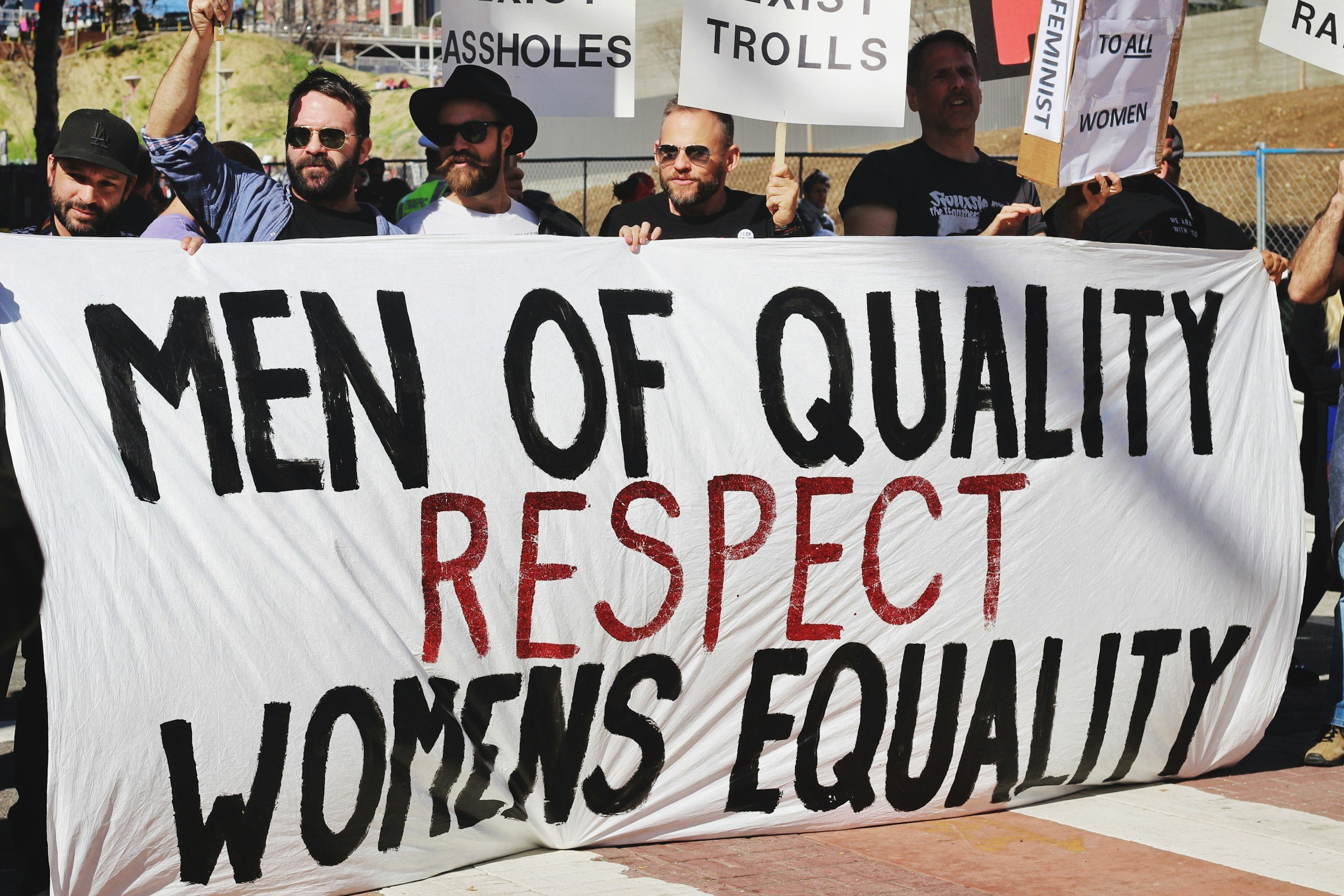
7 Ways Men Can Be Better Partners at Home
These aren’t big, dramatic changes.
They’re small shifts that completely change how a relationship feels.
1. Redefine What It Means to Provide
Providing is not just about money.
It’s:
presence
emotional support
partnership
being engaged in your home life
Being a great partner means showing up in more than one way.
2. Stop Waiting to Be Told What to Do
This is the biggest one.
When you say:
“Just tell me what you need”
What your partner hears is:
“I’m still not responsible for noticing”
Being a partner means:
noticing
anticipating
stepping in without being asked
That’s how the mental load gets shared.
Here are communication scripts to help you start and have these conversations.
3. Take Full Ownership of Something
Not:
“help with dinner”
But:
“I own dinner”
That means:
planning
shopping
cooking
noticing when it needs to happen
Ownership removes the need for reminders—and that’s where real relief happens.
4. Normalize Being an Active Dad (Everywhere)
Not “helping.”
Not “babysitting.”
Parenting.
That means:
taking leave
leaving work early when needed
showing up at appointments
being fully capable in public and private
This shifts not just your home—but the culture your kids grow up in.
5. Talk About the Mental Load
If you’ve never talked about it, you’re likely underestimating it.
Ask:
“What are you thinking about that I don’t see?”
“What feels heavy right now?”
Not to defend.
Not to fix immediately.
Just to understand.
6. Repair Instead of Just Apologizing
Saying “sorry” is a start.
Repair is:
taking responsibility
changing behavior
following through
It’s showing:
“I hear you, and I’m doing something about it”
That’s what rebuilds trust.
7. Build Relationships With Other Men Who Are Doing This Work
This matters more than most people realize.
Because growth is hard to sustain in isolation.
When men:
talk openly
challenge each other
normalize emotional awareness
Everything changes.
This is how new patterns stick.
The Part No One Says Out Loud
This work is uncomfortable.
It requires:
noticing things you didn’t see before
taking responsibility in new ways
sitting with emotions you weren’t taught to process
But discomfort doesn’t mean you’re doing it wrong.
It means you’re doing something different.
For Women Reading This
You’re allowed to be tired.
You’re allowed to want more.
And you’re allowed to stop carrying everything alone.
But here’s the nuance:
This doesn’t change through pressure or constant correction.
It changes through:
awareness
ownership
shared responsibility
From both sides.
If You’re Trying to Change This Dynamic in Your Relationship
If you’ve had the conversations
If you’ve tried dividing tasks
If you’ve explained it more than once
…and you’re still stuck
It’s not because you’re failing.
It’s because this isn’t just about tasks.
It’s about how you function as a team.
That’s exactly what we work on inside our coaching and programs.
→ Back to Us (for current parents) Prep for Us (For currently pregnant couples)
